
Open 24 hours, every day
Emergency Water Damage Restoration for Bay Area Homes and Businesses
Burst pipe, leaking water heater, an overflow from the unit upstairs or storm water in the crawlspace? We get the water out, dry what’s wet and repair what had to come out.
Request Service
Tell us what happened and we'll call you back. In a hurry? Call (844) 623-3946.
- Open 24 hours
Water damage
What happens during water damage restoration?
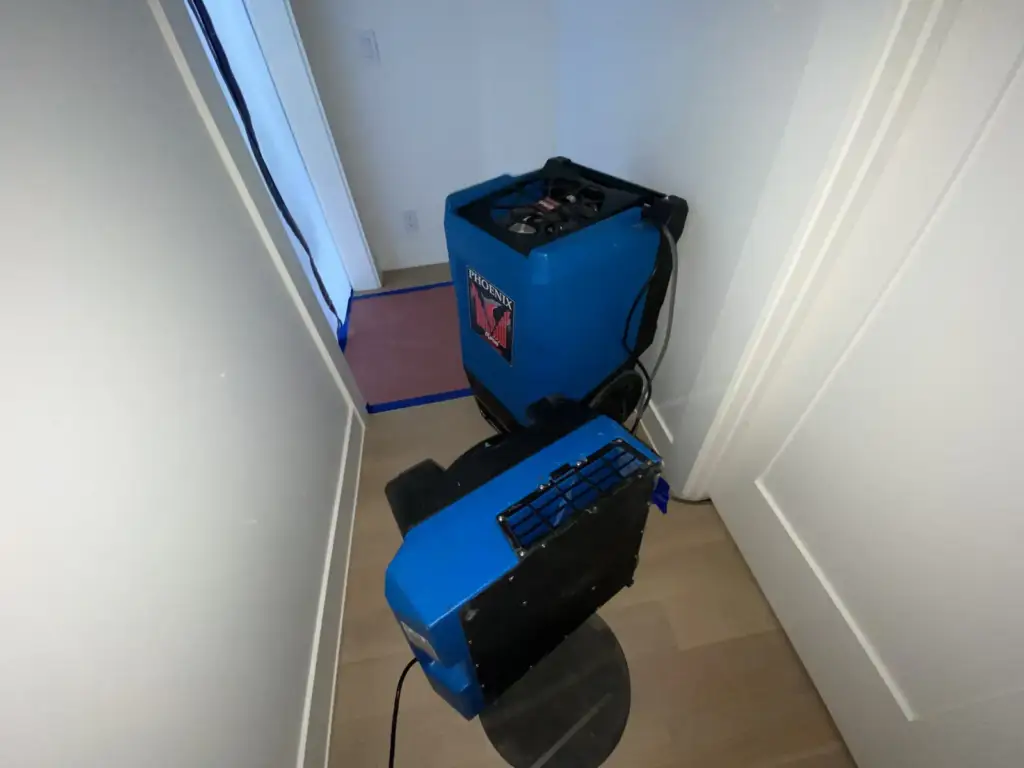
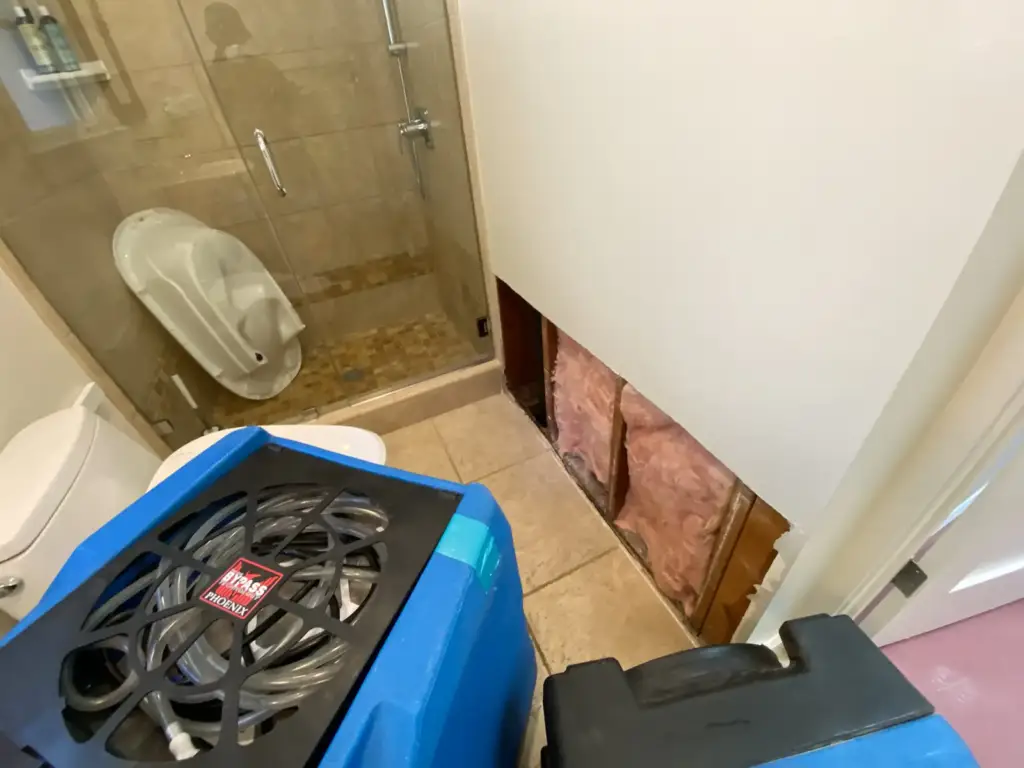
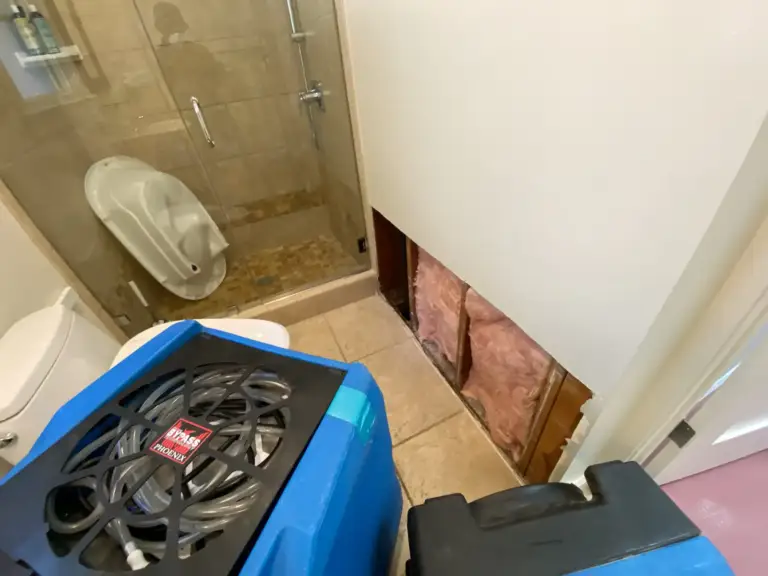
First the source is stopped and standing water is extracted. Then moisture meters map how far the water traveled into walls, cabinets and subfloors. Materials that can’t be dried come out, the rest is dried with dehumidifiers and air movers, and readings are taken until everything is back to dry. Repairs come last.
- Burst and broken supply lines
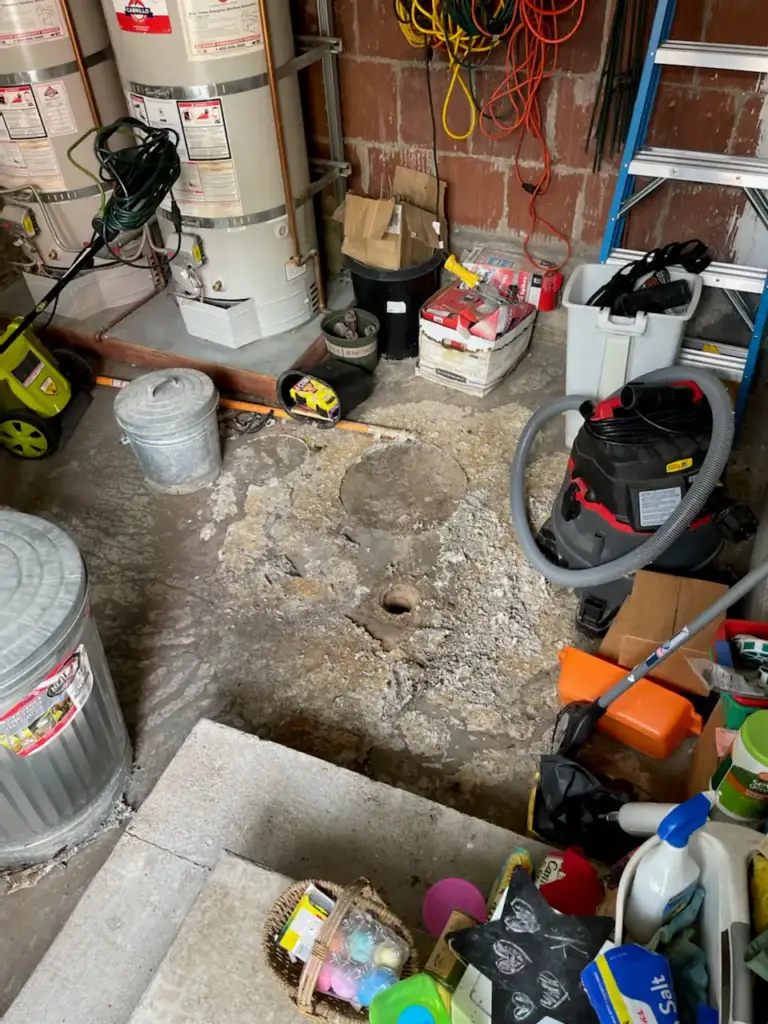
- Water heater leaks
- Dishwasher and washing machine overflows
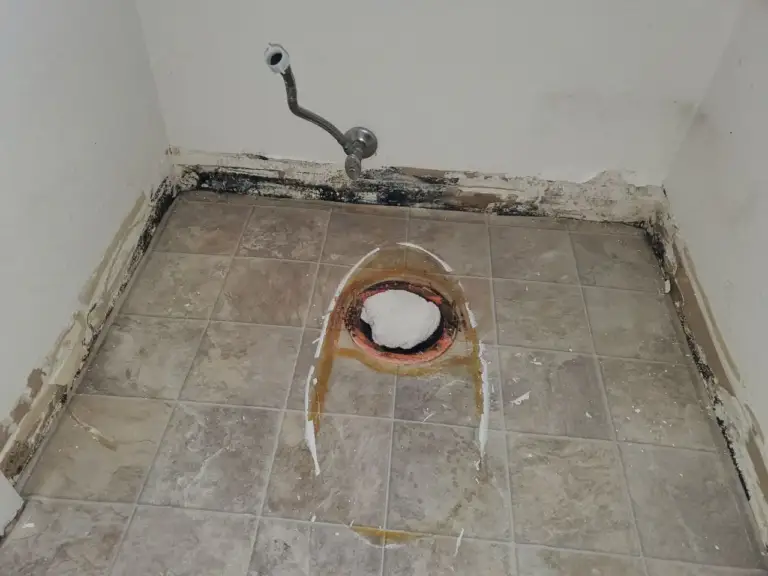
- Toilet and shower leaks
- Leaks from the unit upstairs
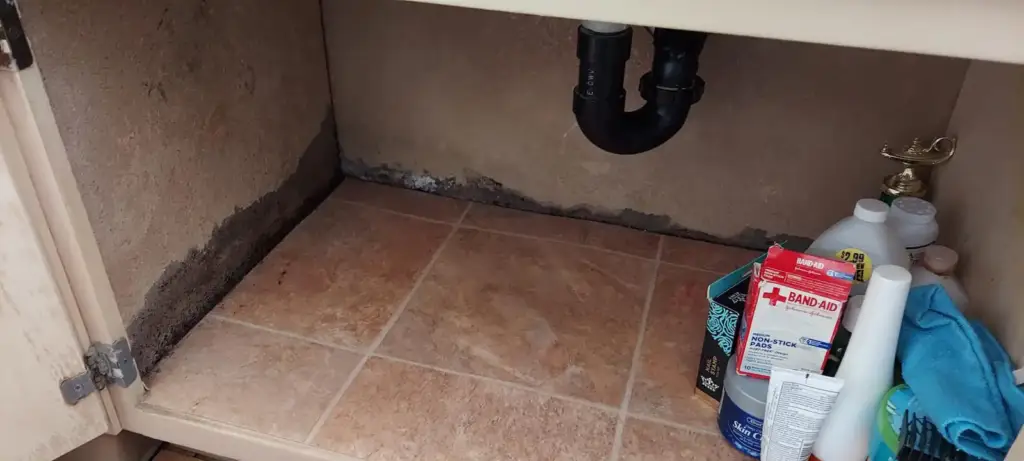
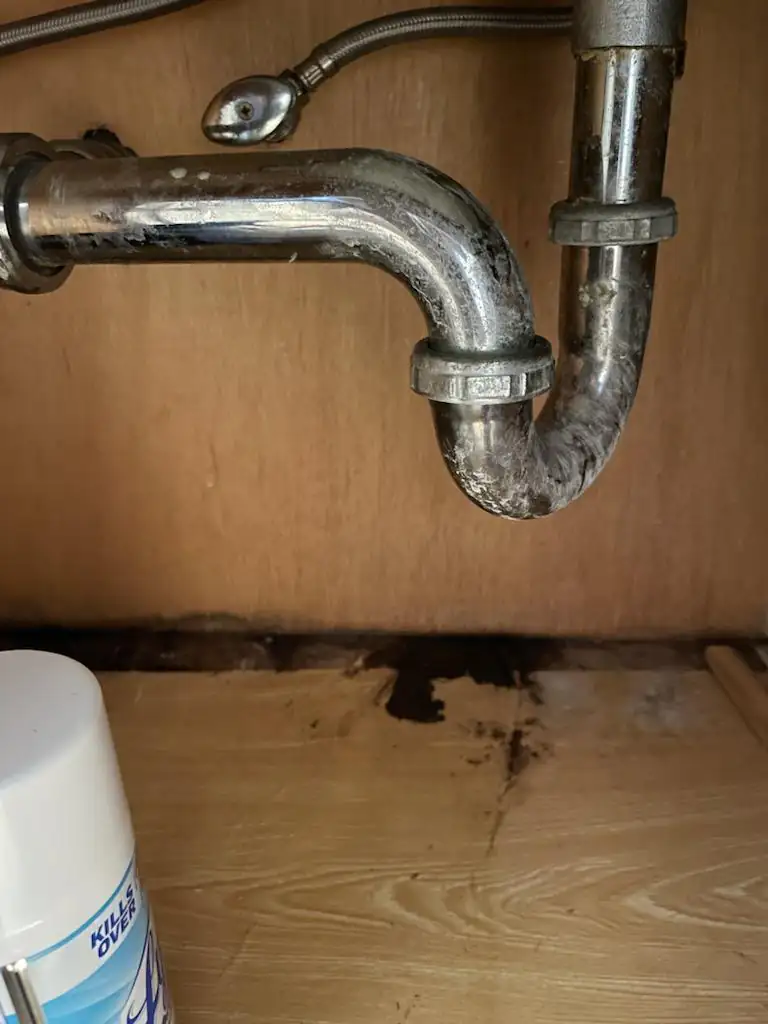
- Slow leaks under sinks
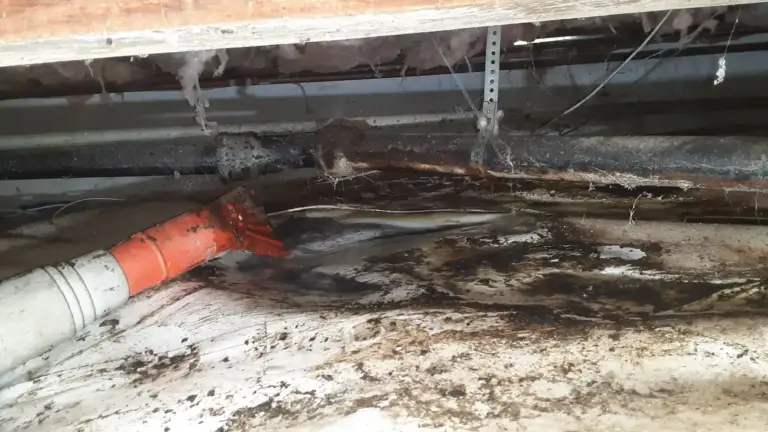
- Storm water in crawlspaces
- Wet hardwood, laminate and carpet
Good to know
How do you know when a wet wall is actually dry?
We don’t judge it by touch. A moisture meter reads the drywall, studs and subfloor, and we compare those numbers with dry material elsewhere in the same house. Equipment stays until the wet areas match that baseline, because closing up a wall with water still inside it is how mold gets started.
Water coming in right now?
- Shut the main water valve or the valve at the fixture.
- Keep away from water near outlets, cords or light fixtures.
- In a condo or apartment, tell the manager so the unit above gets checked.
- Lift rugs, electronics and furniture legs off the wet floor.
- Take photos before anything is moved, then call (844) 623-3946.
The rules
Does homeowners insurance cover water damage in California?
Some of it. The California Department of Insurance says homeowners policies don’t cover flood damage, which takes a separate flood policy, but they do cover other kinds of water damage, like a burst pipe. Damage from a slow leak over a long time is treated differently. Your insurer decides, so report the loss right away.
24–48 hrsEPA’s window for drying wet materials before mold starts
The state’s claims guide tells homeowners to make reasonable temporary repairs to stop more damage, keep the receipts, and hold off on extensive permanent repairs until the adjuster has seen the loss. It also warns about contractors who push big spending on temporary work. CDI claims guide. Negotiating a settlement for you is a licensed public adjuster’s job under California law, so we stick to documenting the damage and the scope. Insurance Code §15007.
Our process
From the first call to dry walls
- Stop & extractSource shut off, standing water pumped and vacuumed out.
- MeasureMoisture readings map the wet walls, cabinets and floors.
- RemoveRuined drywall, insulation, pad and flooring come out.
- DryDehumidifiers and air movers run until readings reach dry.
- RepairDrywall, floors and finishes go back in under our license.
From a customer
What do customers notice on a water job?
The communication, more than the equipment. Reviewers write that the process was explained before anything was done, that the timelines held, and that someone was always reachable by phone. One described Laura arriving with a moisture meter, checking every wall and floor before a single piece came out.
“Their process was clearly explained, and they met every timeline set.”
FAQ
Water Damage Questions
How soon does a wet house need to be dried?
Within a day or two. The EPA advises drying water-damaged areas and items within 24 to 48 hours to prevent mold growth, and starting early usually means more drywall, cabinets and flooring can stay. Read the EPA guide.
Does wet drywall always have to come out?
No. Drywall wet with clean water and dried quickly can often stay in place. Drywall soaked by sewage or dirty floodwater, or left wet for days, is cut out above the wet line so the framing and insulation behind it can dry.
Can wet hardwood or laminate floors be saved?
Hardwood that’s cupped but still tight to the subfloor can sometimes be dried in place and refinished. Laminate swells at the seams and rarely recovers once it’s soaked, so it usually comes up, which also lets the subfloor underneath dry out.
Water came through my ceiling from the unit above. Who handles it?
Let the building manager or HOA know right away so the source gets found and shut off. Your unit still needs moisture readings in the ceiling, walls and floor, because water spreads sideways. We can work in both units and keep notes and photos for everyone involved.
How long does drying equipment stay?
Usually a few days, depending on what got wet and how long it stayed that way. Hardwood, plaster and thick framing take longer than drywall. We check readings on each visit and pull equipment as each area reaches the dry baseline.
Service area
Where do we handle water damage calls?
Crews go out from two offices. Petaluma covers Sonoma, Marin, Napa and Solano counties, and Hayward covers the East Bay, from Fremont and Oakland to Walnut Creek, plus San Francisco, the Peninsula and the South Bay. Call (844) 623-3946 with your address and we’ll send whichever office is closer.
Related services
What water damage can lead to
Talk to RestoreX
Water still spreading? Let's stop it.
Call (844) 623-3946. Tell us where the water is coming from and how long it’s been wet, and we’ll tell you what happens next.