
Mold Remediation That Starts With Finding the Water
Musty smell, spots coming back on the wall, or mold behind a leaky shower? We find the moisture behind it, contain the area, remove what’s affected and dry it so it doesn’t return.
Request Service
Tell us what happened and we'll call you back. In a hurry? Call (844) 623-3946.
- Open 24 hours
Mold remediation
How does mold remediation work?
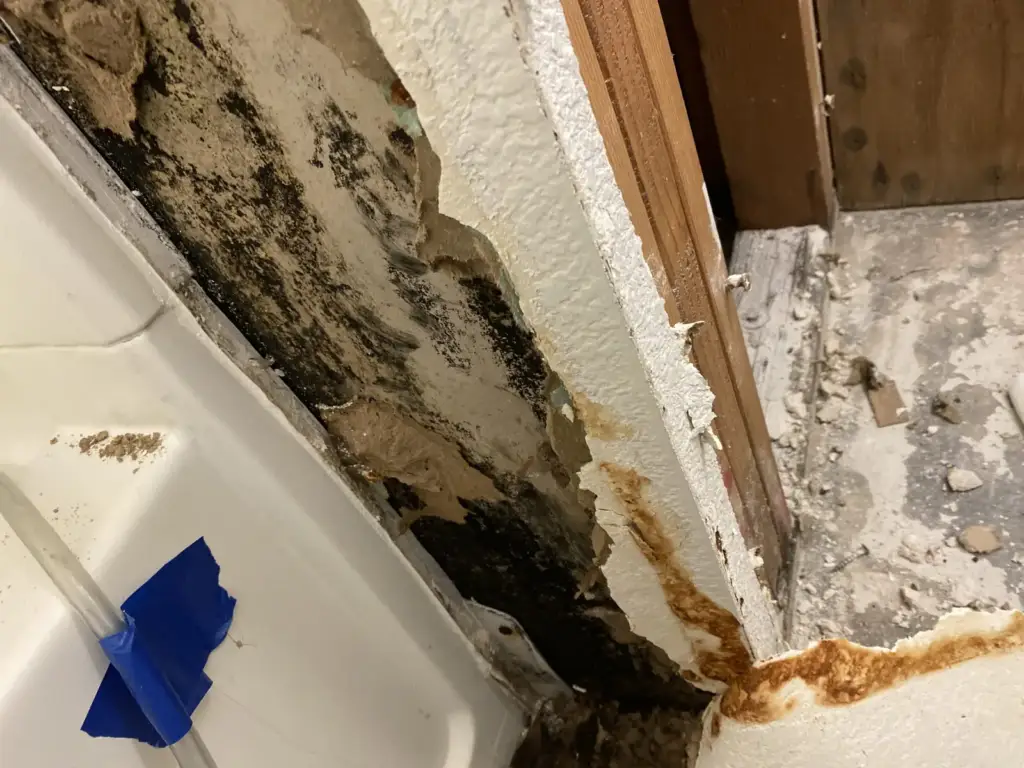
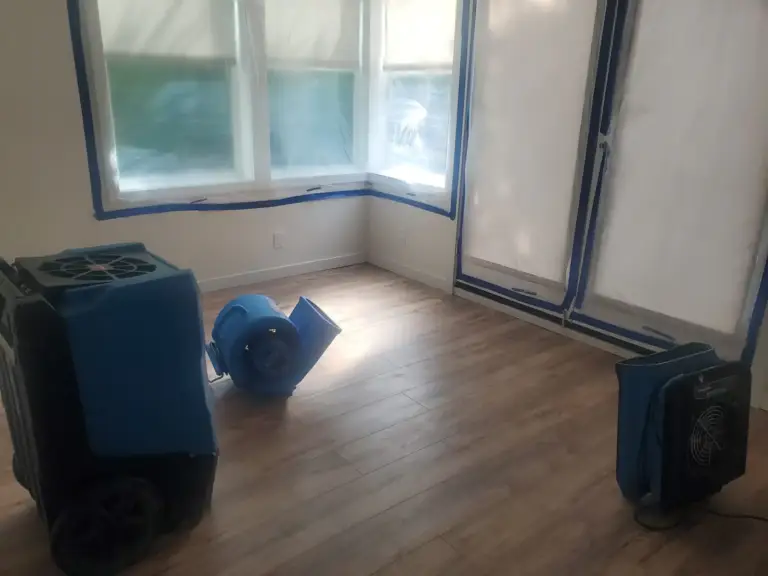
It works backwards from the water. Mold needs moisture, so the leak, condensation or crawlspace problem feeding it gets found and fixed first. Then the area is closed off with plastic and filtered air, moldy drywall and insulation are removed, surfaces are cleaned, and everything is dried before it’s rebuilt.
- Mold behind showers and tubs
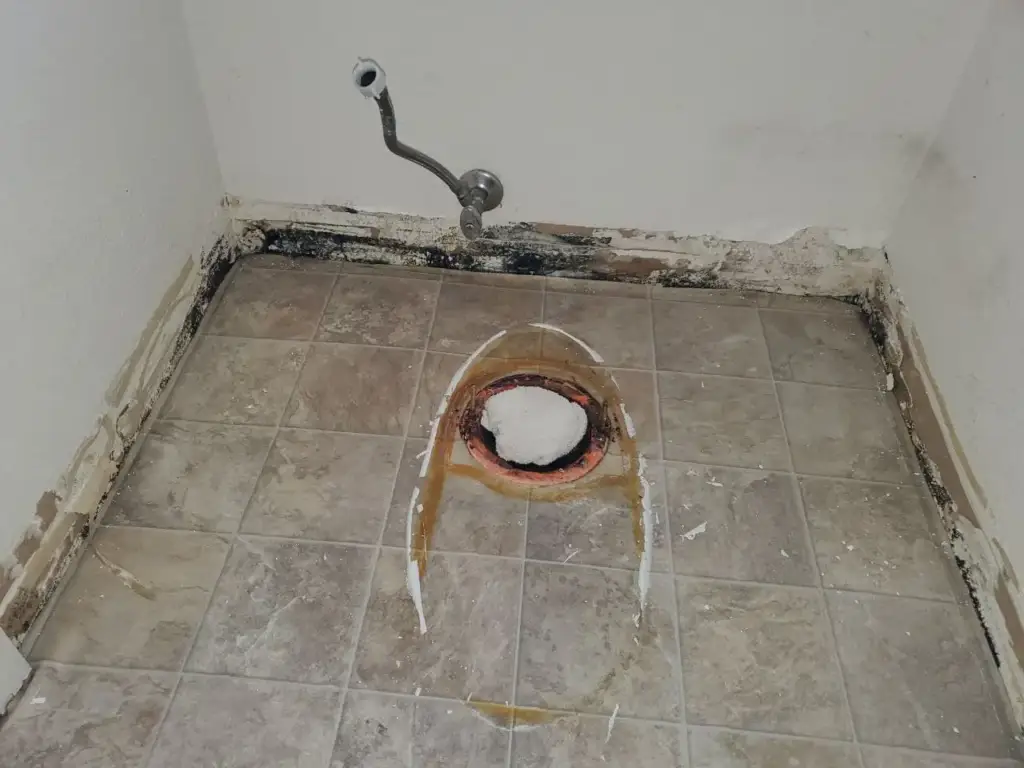
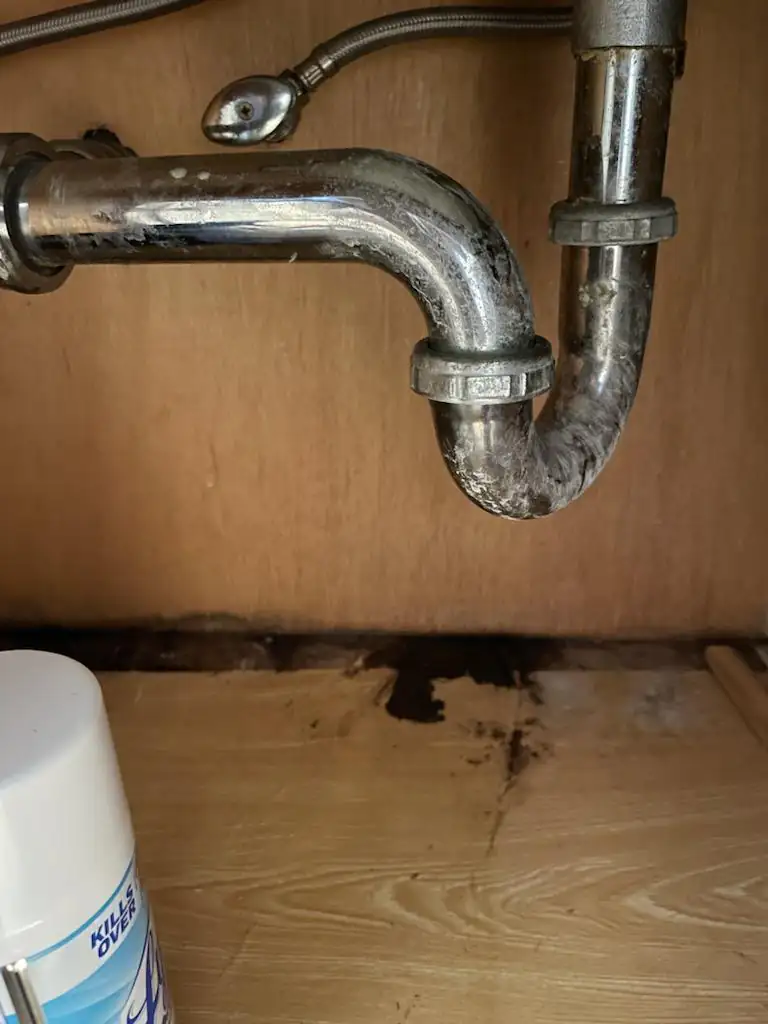
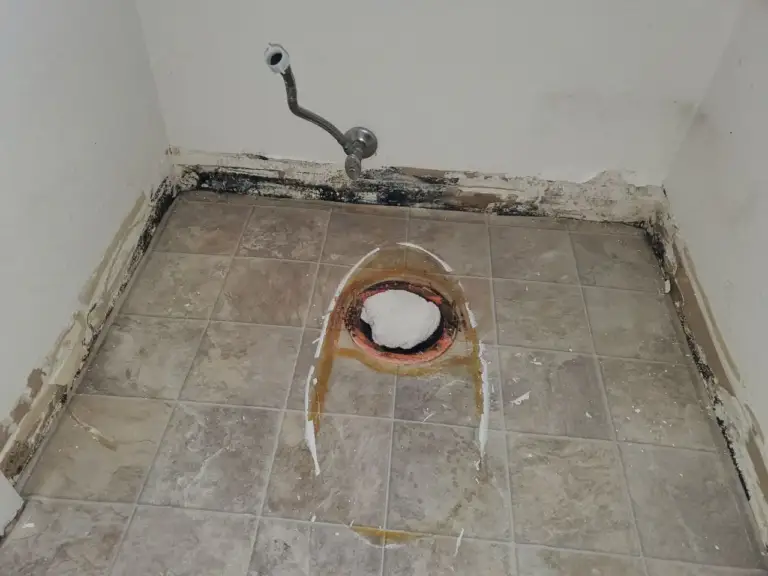
- Under sinks and around toilets
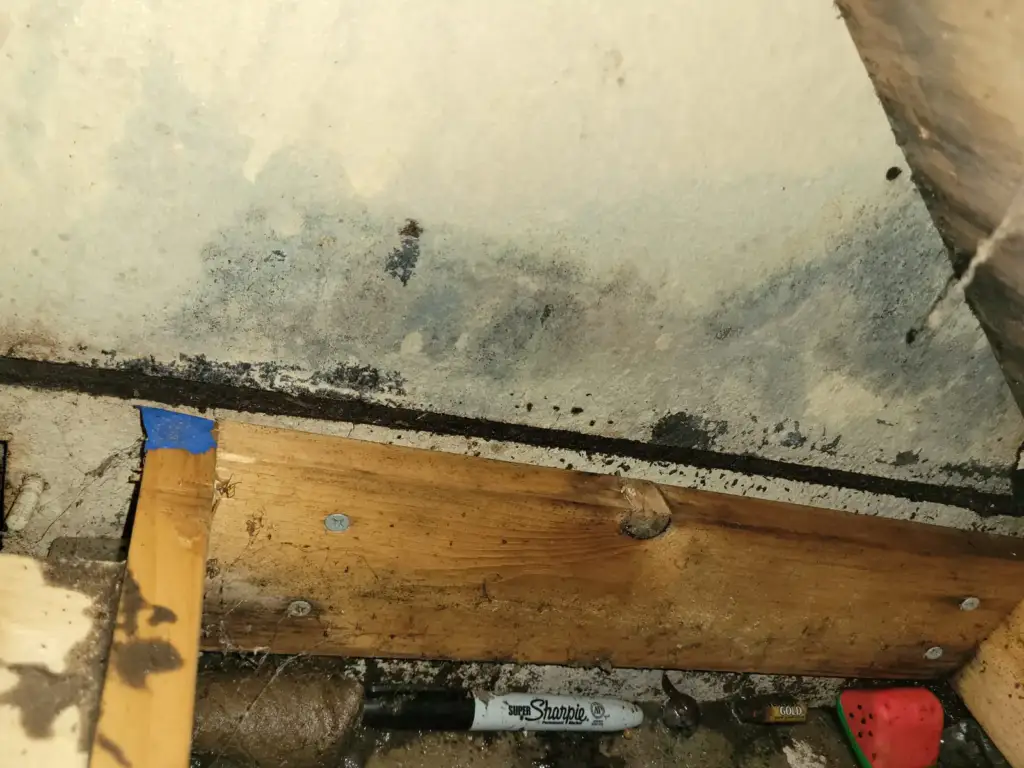
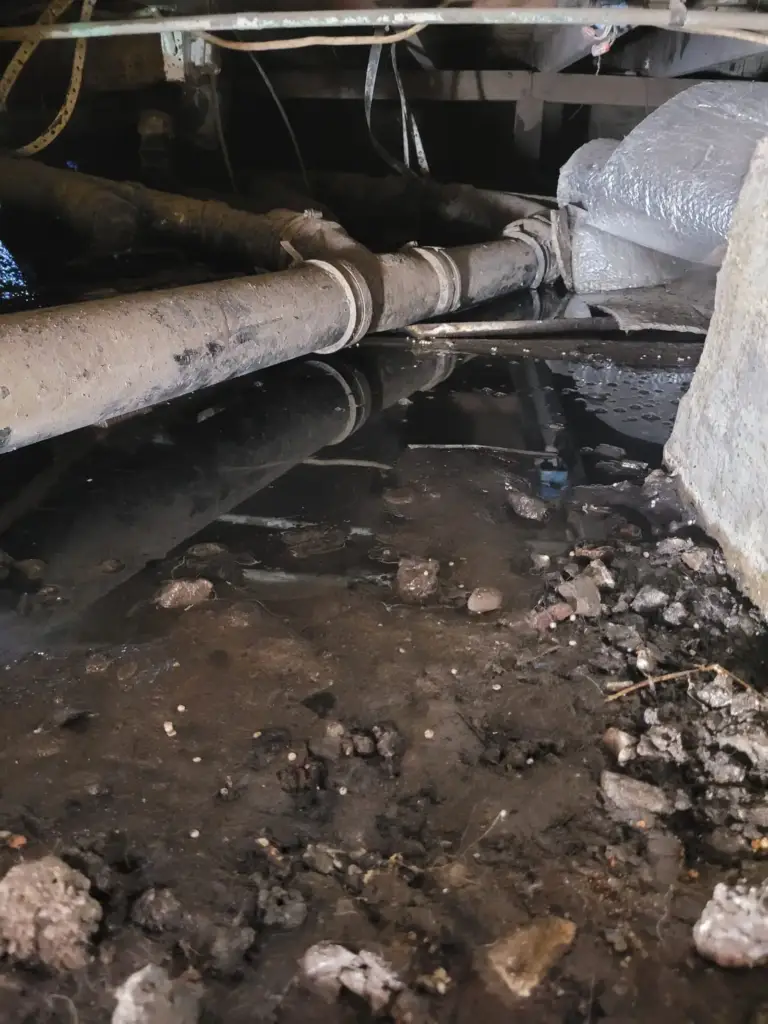
- Crawlspaces and subfloors
- Attics with poor ventilation
- After a leak that went unnoticed
- Around windows and exterior walls
- Musty basements and garages
- Rental units and commercial spaces
Good to know
Why does mold keep coming back after it's cleaned?
Because the moisture is still there. Wiping or bleaching a wall removes what you can see, but mold growing inside drywall or framing stays, and a slow leak or damp crawlspace keeps feeding it. Remediation only lasts when the water source is fixed and the affected materials are dried or replaced.
Found mold? Do this first
- Don’t scrub, sand or dry-brush it; that spreads spores.
- Don’t paint over it or spray bleach on porous materials.
- Fix or shut off any leak you can find.
- Keep kids, pets and anyone with asthma away from the area.
- Take photos and call (844) 623-3946 for an inspection.
The rules
Does California regulate mold remediation?
Not with a mold license. The California Department of Public Health says the state has no regulations licensing mold assessors or remediators, and no exposure limits for indoor mold. Contractor licensing still applies, and RestoreX’s CSLB license #1085268 carries Water/Fire/Mold Remediation as its endorsed C-61/D64 specialty.
2016Year visible mold became a substandard housing condition in California
For rentals, SB 655 added visible mold, as determined by a health or code enforcement officer, to the list of substandard conditions in Health and Safety Code §17920.3, effective January 1, 2016. Tenants ask local code enforcement to inspect, and an owner who is cited has to fix it. H&S Code §17920.3 · CDPH mold and dampness. The state health department doesn’t recommend routine mold testing. CDPH mold FAQ.
Our process
How a mold job runs
- FindMoisture meters locate the leak or damp area feeding the mold.
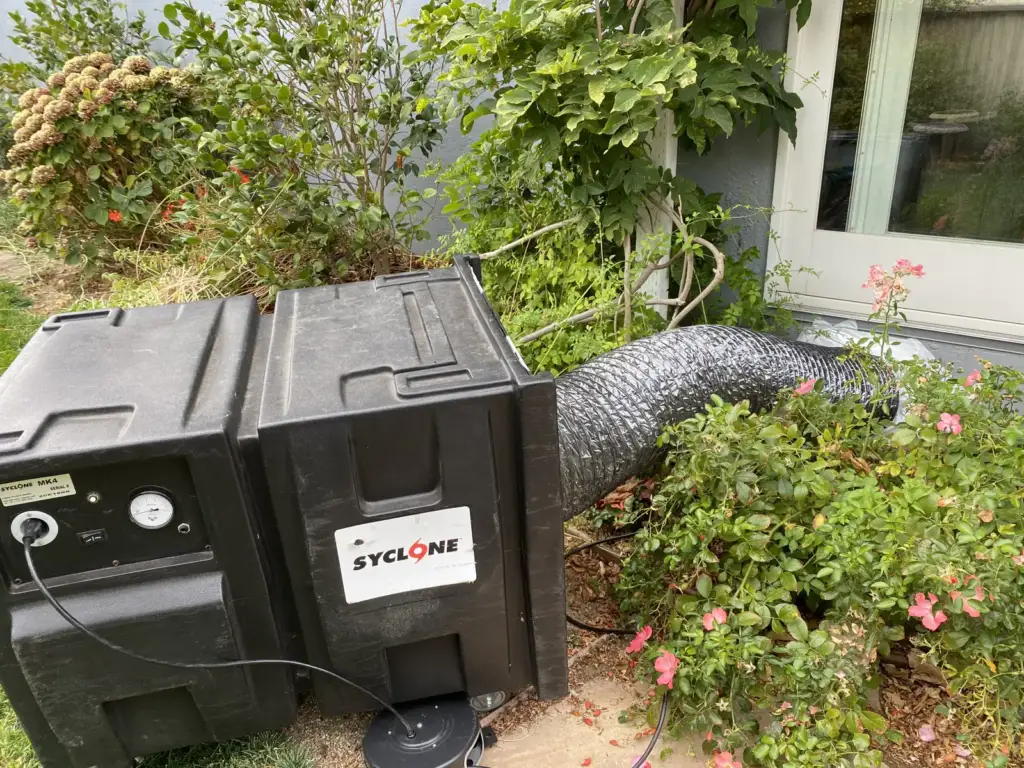
- ContainPlastic barriers and filtered negative air keep spores in.
- RemoveMoldy drywall, insulation and trim come out and are bagged.
- Clean & dryFraming cleaned, HEPA-vacuumed and dried to target readings.
- RebuildNew materials go in once the area is dry.
From a customer
Do customers call us for mold under the house?
Often. Crawlspaces are one of the most common places we find mold in Bay Area homes, because water from a broken line or winter runoff sits under the floor where nobody looks. One Google reviewer put it simply: when the crawlspace floods or there’s mold, you can rely on this team.
“When your crawlspace floods out or you have mold or anything has gone seriously wrong, you can rely on these people.”
FAQ
Mold Questions
How big does a mold problem have to be before I call a professional?
The EPA’s guidance is that a small area, roughly up to 10 square feet, can often be cleaned by a homeowner, while larger areas, mold in the HVAC system, or mold after sewage or contaminated water call for professional help. EPA mold guide.
Do I need mold testing first?
Usually not. When mold is visible and the moisture source is clear, a test won’t change the plan, and the state health department notes that no test can show a cleanup worked. If a landlord-tenant dispute or a health question calls for testing, an independent consultant should do it.
Will bleach kill mold?
Bleach can lighten mold on hard, non-porous surfaces, but it doesn’t reach into drywall, wood or insulation, and it does nothing about the moisture. Porous materials with mold growing in them generally need to be removed and replaced.
Do I have to leave my house during remediation?
Usually not. The work area is sealed off with plastic and kept under negative air pressure, so the rest of the house stays usable. Larger jobs, or people with health conditions, may be a reason to stay elsewhere for a few days.
Is mold covered by homeowners insurance?
It depends on your policy and on what caused it. Mold from a sudden covered leak is treated differently from mold caused by long-term moisture. Your insurer makes that call, and our photos and readings help document the cause.
Service area
Where do we handle mold remediation?
Throughout the North Bay and East Bay. Older raised-foundation houses in Petaluma, Santa Rosa and San Rafael tend to hide mold in crawlspaces, while newer slab homes in the East Bay see it more behind showers and under sinks. Both offices handle both. Call (844) 623-3946 to set up an inspection.
Related services
Where mold usually comes from
Talk to RestoreX
Smelling mold or seeing it come back?
Call (844) 623-3946. We’ll find where the moisture is coming from before anything gets torn out.